
Interior design is not just about selecting colors and furniture. It involves planning, functionality, materials, and execution. Many homeowners make avoidable mistakes during this process that lead to poor usability, higher costs, and long term dissatisfaction. Understanding these mistakes early can help you make better decisions and ensure your home interiors are practical, durable, and well executed.
Focusing Only on Aesthetics
One of the most common mistakes is prioritizing aesthetics over functionality. A space may look visually appealing but may not be comfortable or practical for daily use. For example, choosing a stylish sofa that is not comfortable or designing layouts that restrict movement can reduce usability. Always balance design with functionality. Think about how the space will be used daily and plan accordingly.
Poor Storage Planning
Lack of proper storage planning leads to cluttered spaces. Many homeowners underestimate storage needs and later struggle with space management. Plan wardrobes, cabinets, and storage units carefully. Use vertical space and hidden storage options wherever possible. A well planned storage system keeps your home organized and improves overall usability.
Choosing Materials Without Understanding Them
Selecting materials based only on appearance can create long term problems. Some materials may look good initially but may not be durable or easy to maintain. For example, certain finishes may scratch easily or require frequent cleaning. Always choose materials based on durability, maintenance, and suitability for the space. Kitchens and bathrooms require different materials compared to bedrooms and living areas.
Ignoring Lighting Design
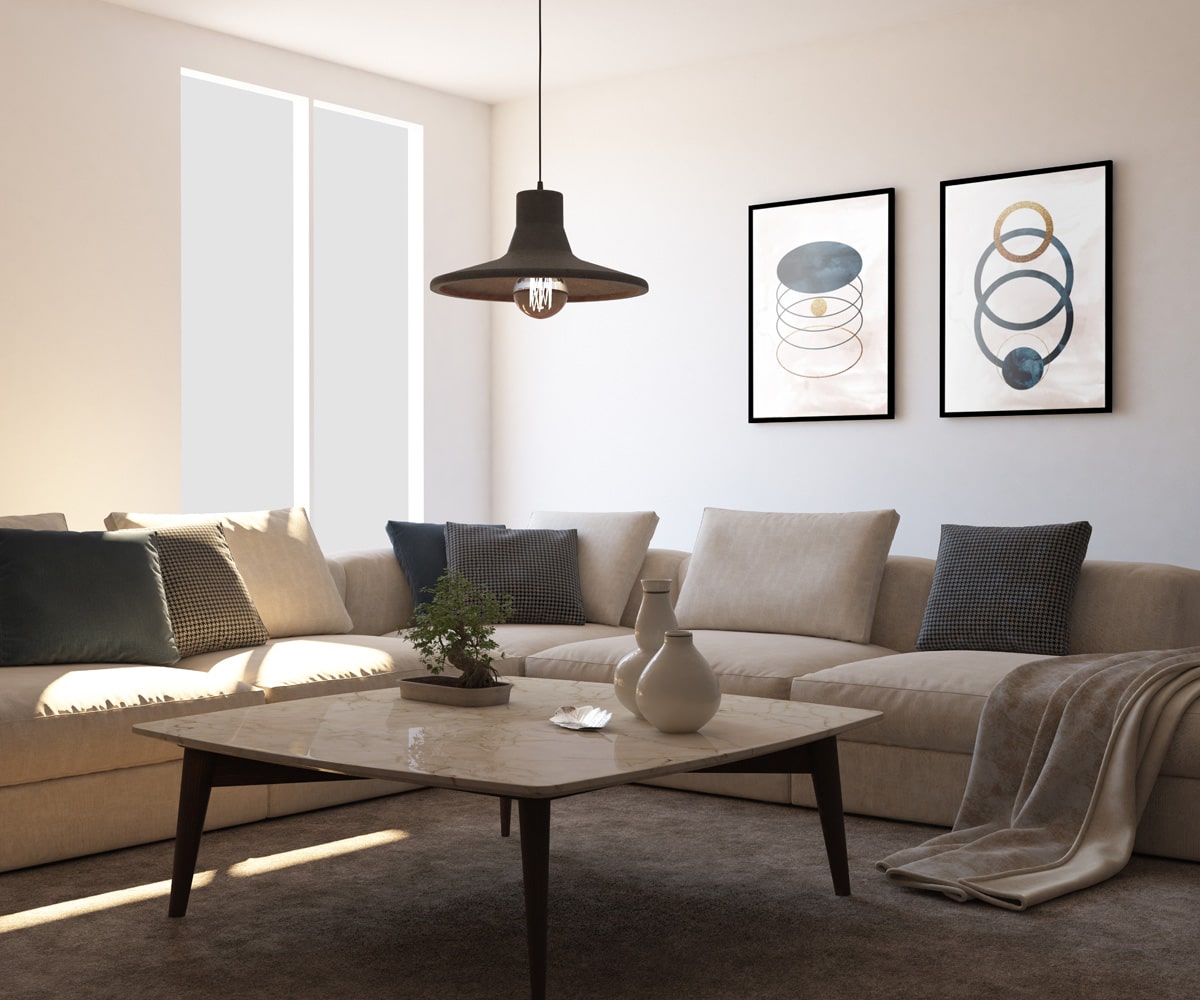
Lighting plays a crucial role in interior design, but it is often overlooked. Poor lighting can make even well designed spaces look dull. Plan a combination of ambient, task, and accent lighting. Ensure that lighting enhances functionality and highlights design elements. Proper lighting improves both aesthetics and usability.
Unrealistic Budget Planning
Many homeowners underestimate the cost of interiors. This leads to compromises during execution and unfinished work. Set a realistic budget that includes materials, labour, and additional costs. Always keep a buffer for unexpected expenses. Proper budget planning ensures smooth execution without financial stress.
Frequent Design Changes During Execution
Changing designs during execution increases cost and delays the project. It also creates confusion among the execution team. Finalize your design, materials, and layout before starting the project. This helps maintain consistency and avoid unnecessary expenses.
Hiring Based Only on Price
Choosing an interior company based only on low pricing often leads to poor quality and delays. Instead of focusing only on cost, evaluate the company’s execution capability, process, and reliability. A slightly higher investment in a good company can save you from long term issues.
Not Checking Execution Capability
Many homeowners choose designers based on concepts and visuals without checking their execution capability. Always review real completed projects. Look at finishing quality, alignment, and durability. Execution quality defines the final outcome more than design ideas.
Ignoring Timeline Planning
Delays in interior projects are common when timelines are not clearly defined. Ask for a structured timeline with milestones. Track progress regularly and ensure accountability. Proper timeline planning helps avoid unnecessary delays and stress.
Final Thought
Interior design mistakes are often avoidable with proper planning and awareness. Focus on functionality, material quality, and execution capability. Choosing the right team and following a structured approach ensures that your interiors are not only visually appealing but also practical and long lasting.