
How to Choose the Right Interior Design Company for Your Home

Choosing the right interior design company for your home is one of the most important decisions you will make during your home setup journey. Interior design is not just about how your home looks. It directly affects how you live, how comfortable your space feels, and how efficiently your home functions every day. Many homeowners focus heavily on design visuals, mood boards, and social media portfolios. While these are important, they are only a small part of the process. The real difference between a good and bad experience lies in execution, timelines, quality control, and communication. A well-designed home that is poorly executed will always lead to frustration. On the other hand, a simple but well-executed interior can give long-term satisfaction and peace of mind.

Understand the Execution Model

Before finalizing any interior design company, it is important to understand how they actually deliver projects. Not all companies operate the same way. Some rely heavily on third-party vendors for furniture and installations, while others have in-house manufacturing and execution teams. Vendor-based execution often leads to delays and inconsistencies because the company does not have full control over production timelines or quality. On the other hand, companies with in-house manufacturing setups can manage timelines more efficiently and ensure consistent finishing across all elements. Ask clear questions about how your project will be executed. Understanding this early can prevent major issues later.

Check Real Completed Projects

One of the biggest mistakes homeowners make is trusting only design renders or digital portfolios. While 3D designs look impressive, they do not always reflect the final outcome. Always ask for real project photos, videos, and if possible, site visits. Look closely at the finishing details such as edge alignment, polish consistency, and fitting accuracy. These small details reveal the true capability of the company. A company that can consistently deliver quality across multiple projects is far more reliable than one that only showcases creative designs.

Evaluate Their Process

A professional interior design company will always follow a structured process. This usually includes requirement analysis, design development, material selection, production, and installation. If a company cannot clearly explain their process, it often leads to confusion during execution. A clear process ensures that every stage is planned and executed properly. It also helps you understand what to expect at each stage of the project, reducing uncertainty and improving overall experience.

Timeline Clarity is Critical

Timeline is one of the most common challenges in interior projects. Delays can affect your move-in plans and create unnecessary stress. Ask the company to provide a clear timeline with defined milestones. Understand how long each stage will take and what factors could potentially cause delays. Companies that rely on multiple vendors often struggle with timelines. Companies with better control over production and execution usually deliver faster and more predictably.

Transparent Pricing

Pricing should always be clear and detailed. Avoid companies that provide vague estimates without proper breakdowns. Ask for detailed information about materials, hardware, labour, and additional costs. This helps you understand where your money is being spent. Transparent pricing not only builds trust but also prevents unexpected costs during the project. A reliable company will always be upfront about pricing and avoid hidden charges.

Communication and Project Management

Interior projects require continuous coordination between the client and the execution team. Poor communication is one of the main reasons projects fail. Choose a company that is responsive and structured in communication. Ideally, you should have a single point of contact who manages your project and keeps you updated. Regular updates, quick responses, and clarity in communication can make the entire experience smooth and stress-free.

Material Knowledge and Guidance

A good interior design company should not just design your space but also guide you on materials. They should explain the pros and cons of different materials based on your usage, budget, and maintenance expectations. For example, materials suitable for kitchens may not work well in bedrooms, and certain finishes may require higher maintenance. Strong material knowledge is a sign of experience and helps you make better decisions for long-term durability.

Do Not Choose Based on Price Alone

One of the biggest mistakes homeowners make is selecting an interior company based only on price. Lower pricing often comes with compromises in materials, finishing, or execution. Instead of focusing only on cost, evaluate overall value. A slightly higher investment in a reliable company can save you from future repairs, delays, and frustration. Always balance cost with quality, execution capability, and reliability.

Compare Before You Decide

It is always advisable to compare at least two or three interior design companies before making a final decision. Compare their process, pricing, timelines, and execution approach. Do not rush the decision. Take your time to understand each company properly and choose the one that aligns best with your expectations.

Final Thought

Choosing the right interior design company is not about selecting the most creative designer. It is about choosing a team that can deliver your project efficiently, on time, and with consistent quality. Focus on execution strength, process clarity, and communication rather than just design visuals. When these factors are in place, your interior journey becomes smooth, predictable, and successful.
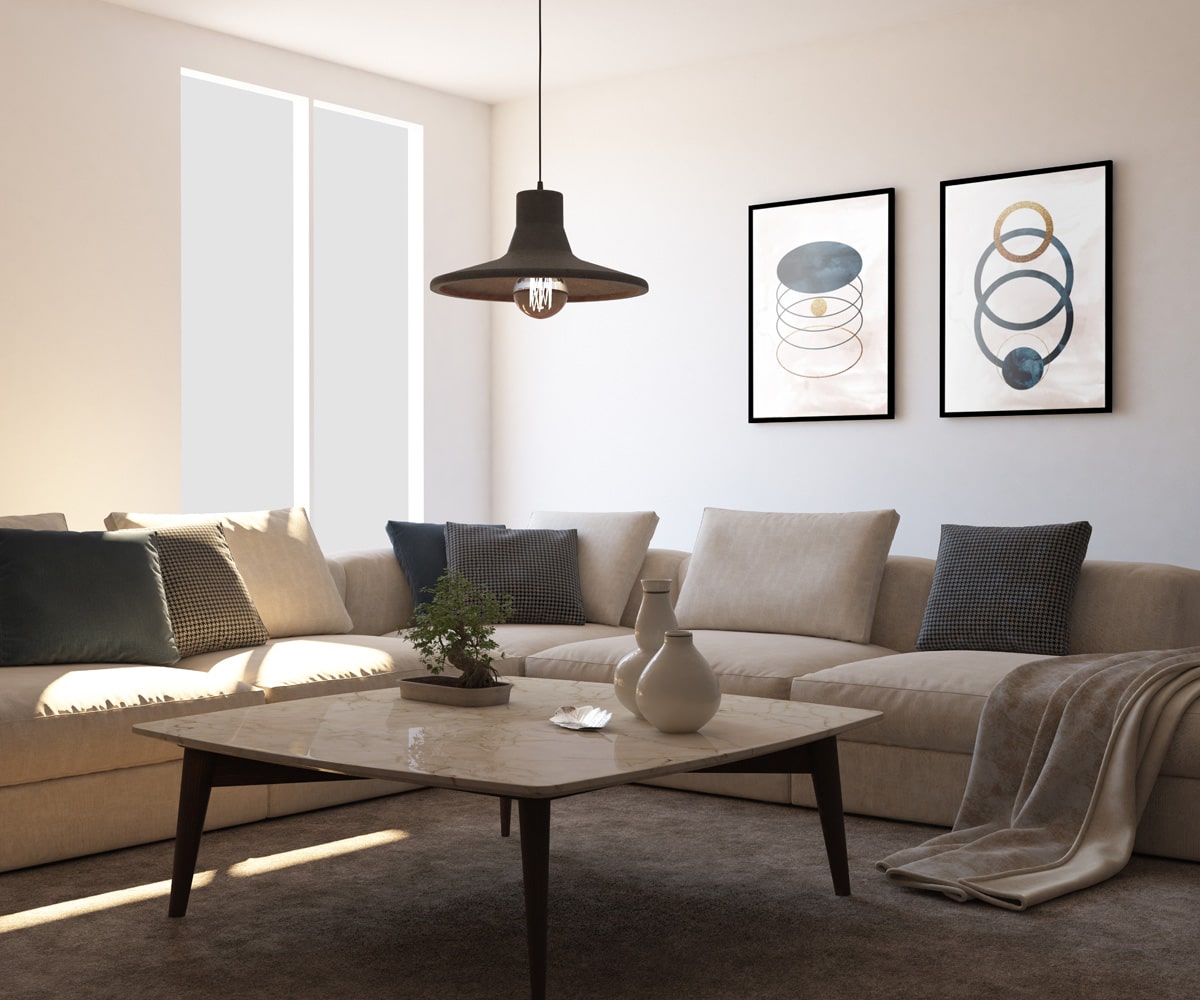
Why In House Manufacturing Makes a Big Difference in Interior Projects

When planning home interiors, most people focus on design, materials, and budget. But one critical factor that often gets ignored is how the furniture and interiors are actually manufactured. This is where in house manufacturing becomes a major differentiator. Whether an interior company has its own factory or depends on third party vendors directly impacts quality, timeline, cost, and overall experience. If you are planning your home interiors, understanding this can save you from delays, poor finishes, and unnecessary stress.

What is In House Manufacturing in Interior Design?

In house manufacturing means that the interior company produces furniture, modular units, and components within its own facility instead of outsourcing them to external vendors. This includes wardrobes, modular kitchens, TV units, storage systems, and customized furniture. In contrast, many interior companies rely on multiple vendors to get this work done, which creates dependency and coordination challenges.

Better Quality Control at Every Stage

One of the biggest advantages of in house manufacturing is consistent quality control. When production happens internally, materials are checked before use, finishing is monitored, and errors are corrected immediately. This leads to uniform finishes, better durability, and cleaner execution. Vendor based systems often result in variations because different vendors follow different standards. With in house production, everything is standardized.

Faster Project Completion

Timeline is one of the biggest concerns in interior projects. Most delays happen due to vendor availability, production backlog, or transportation issues. With in house manufacturing, production starts immediately after design approval, scheduling is controlled internally, and dependency on external vendors is eliminated. This results in significantly faster execution and quicker move in for homeowners.

Better Coordination Between Design and Execution

One of the most common problems in interiors is the gap between design and execution. In vendor based systems, designers create concepts, vendors interpret them, and execution teams adjust on site. This leads to miscommunication and compromises. With in house manufacturing, design and production teams work together. Changes are communicated instantly, and execution aligns with design intent.

Cost Efficiency Without Hidden Markups

Many people assume that in house manufacturing is expensive. In reality, it often provides better cost control. Vendor based models include multiple margins and logistics costs. With in house production, there are no middlemen, better pricing control, and reduced wastage. This ensures better value for money and avoids unnecessary markups.

Higher Level of Customization

Customization is an important part of interior design. With in house manufacturing, designs can be modified easily, dimensions can be adjusted precisely, and finishes can be customized. Vendor based systems often limit flexibility because they rely on predefined formats.

Reduced Risk of Errors and Rework

Interior projects involve multiple elements coming together. In vendor based setups, measurement errors and fitting issues are common. With in house manufacturing, measurements are verified internally, production aligns with site conditions, and installation becomes more accurate. This reduces delays, wastage, and rework.

Better Accountability

One of the biggest issues in vendor driven interiors is lack of accountability. With multiple parties involved, it becomes difficult to identify responsibility. With in house manufacturing, one team is responsible for everything, ensuring faster resolution of issues and smoother execution.

Consistent Finish Across the Entire Home

When multiple vendors are involved, consistency becomes a challenge. With in house production, materials are sourced uniformly, finishing is standardized, and quality remains consistent across all spaces. This creates a more professional and polished final result.

Long Term Durability and Support

Quality is not just about how something looks initially but how it performs over time. With in house manufacturing, better materials and controlled processes improve durability. Post installation support is also easier since the same team understands the product completely.

Final Thought

In house manufacturing is not just a feature. It is a core advantage that improves quality, speed, and overall experience. When choosing an interior company, look beyond design and pricing. Understand how they manufacture and execute. Because interiors are ultimately judged by how well they are built and delivered.

Common Interior Design Mistakes Homeowners Make and How to Avoid Them

Interior design is not just about selecting colors and furniture. It involves planning, functionality, materials, and execution. Many homeowners make avoidable mistakes during this process that lead to poor usability, higher costs, and long term dissatisfaction. Understanding these mistakes early can help you make better decisions and ensure your home interiors are practical, durable, and well executed.

Focusing Only on Aesthetics

One of the most common mistakes is prioritizing aesthetics over functionality. A space may look visually appealing but may not be comfortable or practical for daily use. For example, choosing a stylish sofa that is not comfortable or designing layouts that restrict movement can reduce usability. Always balance design with functionality. Think about how the space will be used daily and plan accordingly.

Poor Storage Planning

Lack of proper storage planning leads to cluttered spaces. Many homeowners underestimate storage needs and later struggle with space management. Plan wardrobes, cabinets, and storage units carefully. Use vertical space and hidden storage options wherever possible. A well planned storage system keeps your home organized and improves overall usability.

Choosing Materials Without Understanding Them

Selecting materials based only on appearance can create long term problems. Some materials may look good initially but may not be durable or easy to maintain. For example, certain finishes may scratch easily or require frequent cleaning. Always choose materials based on durability, maintenance, and suitability for the space. Kitchens and bathrooms require different materials compared to bedrooms and living areas.

Ignoring Lighting Design

Lighting plays a crucial role in interior design, but it is often overlooked. Poor lighting can make even well designed spaces look dull. Plan a combination of ambient, task, and accent lighting. Ensure that lighting enhances functionality and highlights design elements. Proper lighting improves both aesthetics and usability.

Unrealistic Budget Planning

Many homeowners underestimate the cost of interiors. This leads to compromises during execution and unfinished work. Set a realistic budget that includes materials, labour, and additional costs. Always keep a buffer for unexpected expenses. Proper budget planning ensures smooth execution without financial stress.

Frequent Design Changes During Execution

Changing designs during execution increases cost and delays the project. It also creates confusion among the execution team. Finalize your design, materials, and layout before starting the project. This helps maintain consistency and avoid unnecessary expenses.

Hiring Based Only on Price

Choosing an interior company based only on low pricing often leads to poor quality and delays. Instead of focusing only on cost, evaluate the company’s execution capability, process, and reliability. A slightly higher investment in a good company can save you from long term issues.

Not Checking Execution Capability

Many homeowners choose designers based on concepts and visuals without checking their execution capability. Always review real completed projects. Look at finishing quality, alignment, and durability. Execution quality defines the final outcome more than design ideas.

Ignoring Timeline Planning

Delays in interior projects are common when timelines are not clearly defined. Ask for a structured timeline with milestones. Track progress regularly and ensure accountability. Proper timeline planning helps avoid unnecessary delays and stress.

Final Thought

Interior design mistakes are often avoidable with proper planning and awareness. Focus on functionality, material quality, and execution capability. Choosing the right team and following a structured approach ensures that your interiors are not only visually appealing but also practical and long lasting.

Incredible Urban Architecture & Landscapes

Modest, recently established interior design company that seeks to address a variety of topics, including social justice, equality of opportunity, sustainability, and providing space for up-and-coming artists and craftspeople as well as the most underprivileged.

Sadly, or thankfully, interiors are not the subject of these notions. In actuality, a product that is inexpensive now will cost more in the long run. To better understand this idea, consider a £20 desk. Although it might appear like a wonderful deal at first, its low cost indicates that it was likely made with subpar materials. The internet is a great place to find inspiration for interior design. However, where do you even begin? Of course, with the greatest blogs about interior design! These decorating blogs include all the subjects you’ll need to make your house feel like home.